| In addition to these established companies, newer organizations are entering the space. The Maine Community Power Cooperative, for example, is developing smaller solar arrays—approximately two acres in size—with the goal of protecting farmland. The cooperative also prioritizes low- and moderate-income households and offers a 20% discount for qualifying participants.
For those interested in a more investment-based approach, the ownership model allows customers to purchase panels in a Maine solar farm. The number of panels purchased can offset part or all of a household’s electricity use. Costs are comparable to rooftop solar installations and come with similar advantages and drawbacks. ReVision Energy is currently a provider of this model. While solar co-ops and shared ownership systems also exist in Maine, they can be difficult to locate. One consideration for buyers is liquidity, particularly if they move outside the CMP service area.
Beyond community solar, additional technologies are beginning to gain attention.
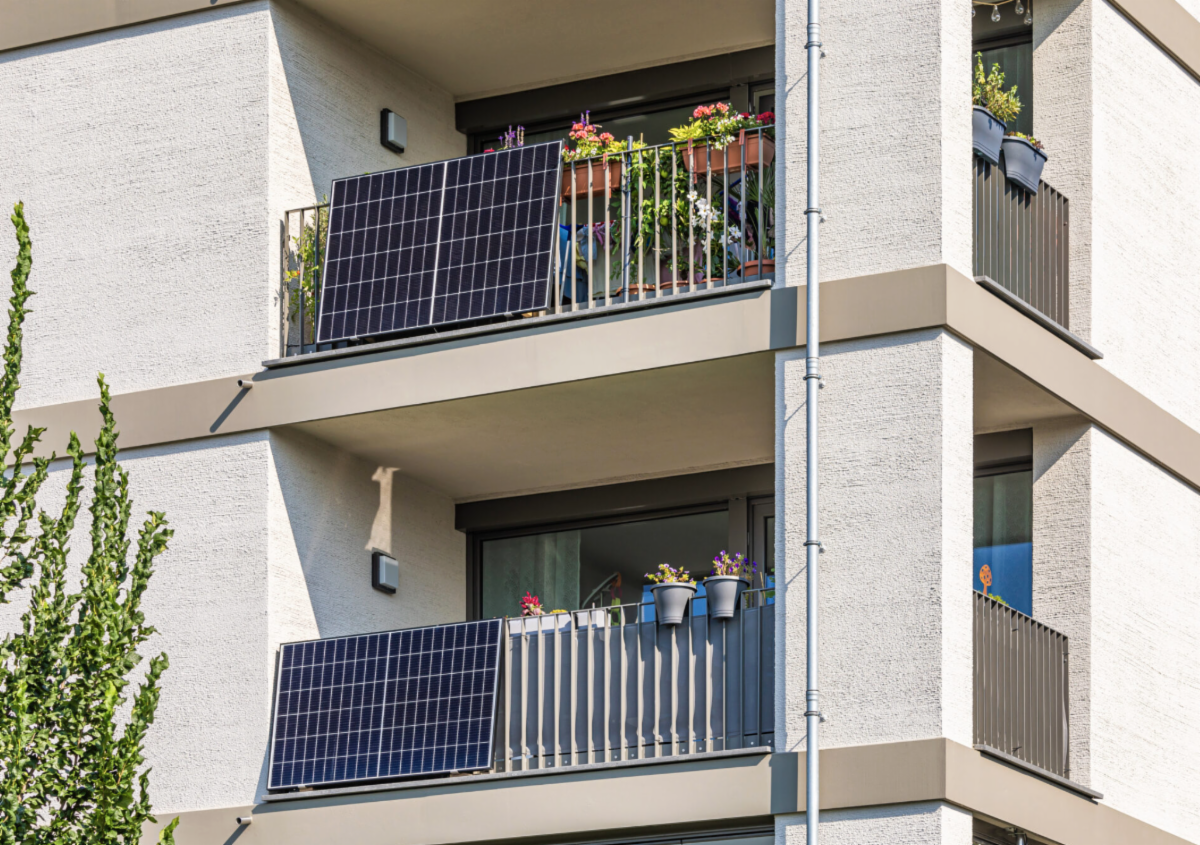
Plug-in solar (“Balcony Solar”) systems —portable units that plug into a standard electrical outlet—are designed especially for renters. These systems typically produce 450 and 1,200 watts(or .45 kilowatts – 1.2 kilowatts) of electricity and are widely used in Germany. Solar generators are another accessible option. Available in a range of sizes, these systems combine solar panels, battery storage, and an inverter to convert solar energy into usable power. They are commonly used for emergency backup, outdoor activities such as camping or RV travel, and off-grid applications. |