Resources

Take action at home to reduce food waste – one small habit at a time.

Take Action To Reduce Waste!

This month, we’re focusing on simple ways to reduce food waste at home. Small everyday actions can make a big difference for both the environment and our communities, and we’re excited to share tips and ideas to help you get started.

Every day, households throw away perfectly good food without realizing the environmental impact it creates. From forgotten leftovers in the fridge to produce that spoils too quickly, food waste has become a major issue both locally and globally. In fact, nearly one-third of all food produced worldwide is wasted each year.

Along with wasting food itself, we also waste the water, energy, transportation, and labor used to grow and deliver it. Don’t forget that food waste has to be disposed of. This is a high cost to the Town and its taxpayers.

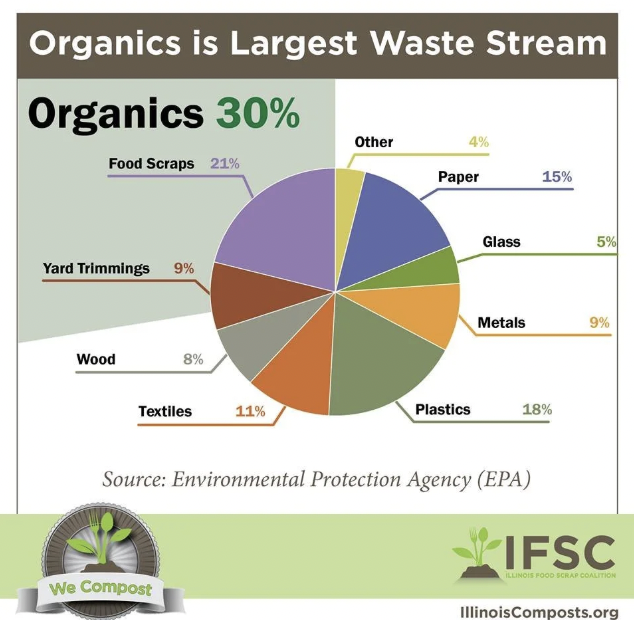
Food waste makes up nearly 30% of the solid waste stream by weight, meaning a substantial portion of what is collected and hauled away could have been eaten, reused, or composted instead. Imagine the savings if there were 30% less trash for Casella to collect and dispose of. Further, when food ends up in landfills, it breaks down and releases methane, a powerful greenhouse gas that contributes to climate change.

Reducing food waste is one simple but meaningful action families can take at home to lower their environmental impact while also saving money. This month’s EcoHomes Action focuses on building small habits that help reduce food waste in everyday life.

Plan Before You Shop

One of the easiest ways to reduce food waste starts before you even enter the grocery store.

  • Check your fridge and pantry before shopping
  • Make a grocery list and stick to it
  • Plan meals around ingredients you already have

Planning helps prevent buying food that may go unused.

Store Food Properly

Proper storage can help food last longer.

  • Freeze leftovers or extra produce before it spoils
  • Store fruits and vegetables correctly
  • Use clear containers so leftovers don’t get forgotten

Small storage habits can significantly reduce waste.

Understand Date Labels

Many foods are thrown away too early because of confusion around date labels. In reality, most labels refer to food quality rather than food safety.

  • “Sell By” dates are meant for stores and help retailers know how long to display a product.
  • “Best By,” “Best if Used By,” or “Use By” dates refer to when a food is at its best flavor and quality.
  • “Freeze By” dates indicate when a product should be frozen to maintain quality.

Most foods can still be safe to eat after these dates if they have been stored properly. Instead of relying only on labels, check for signs of spoilage like unusual smells, texture, discoloration, or damaged packaging. Understanding date labels can help prevent perfectly good food from being wasted while still keeping food safety in mind.

Get Creative with Leftovers

Reducing food waste can also be an opportunity to try something new in the kitchen.

  • Turn vegetables into soups or stir-fries
  • Blend overripe fruit into smoothies
  • Create a weekly “leftover night” meal

Need inspiration? Explore recipes that help you use leftovers and food scraps creatively @ Love Food Hate Waste Recipe Collection.

Compost Food Scraps

For food scraps that cannot be eaten, composting is a simple and effective alternative to sending them to the landfill. Instead of generating methane emissions as they decompose in landfills, food scraps can be transformed into nutrient-rich compost that improves soil health and supports gardens, landscaping, and local food production.

Composting options in York:

  • Backyard compost bins or tumblers
  • Small indoor compost containers for kitchens
  • Community or garden compost systems
  • Curbside pickup services like Mr. Fox Composting
  • Compost drop-off at the York Transfer Station through Mr. Fox Composting

In York and across southern Maine, Mr. Fox Composting makes composting easy for households that may not have space for backyard composting. Residents can receive a compost bin and compostable liner for curbside pickup services, or use the bins provided by Mr. Fox at the York Transfer Station. For the cost of an annual sticker, residents can empty their household compost at the transfer station as a more affordable composting option. The collected food waste is then turned into nutrient-rich compost that supports healthy soils.

Why Food Waste Matters

Reducing food waste is one of the simplest ways households can lower their environmental impact while saving money. Small changes at home can help conserve resources, reduce landfill waste, reduce disposal costs, and support a more sustainable community. By being more mindful about how we shop, store, and use food, we can all play a part in creating a healthier planet for future generations.

Eco Tip of the Month

Before throwing food away, ask yourself:

“Can I eat it, freeze it, reuse it, or compost it?”

View All Resources