Resources

Keep Your Home Cool Naturally

EcoHomes August Action: Keep Your Home Cool Naturally

August often brings some of the hottest days of the year, but staying comfortable doesn’t have to mean running your air conditioner around the clock. By making a few simple changes, you can keep your home cooler, reduce your energy use, and save money on your electric bill.

Block Sunlight – One of the easiest ways to prevent your home from heating up is to block direct sunlight. During the afternoon, close blinds, curtains, or shades on windows that receive the most sun, especially those facing south and west. Sunlight streaming through windows can quickly raise indoor temperatures, making your cooling system work harder.

Open Your Windows at Night – As the outdoor temperature drops in the evening, open your windows to let cooler air move through your home. Creating a cross breeze by opening windows on opposite sides of the house can naturally flush out the heat that has built up during the day. In the morning, close the windows before temperatures begin to rise to help trap the cooler air inside. Using nature to cool your home whenever possible can reduce the need for mechanical cooling and lower your electricity use.

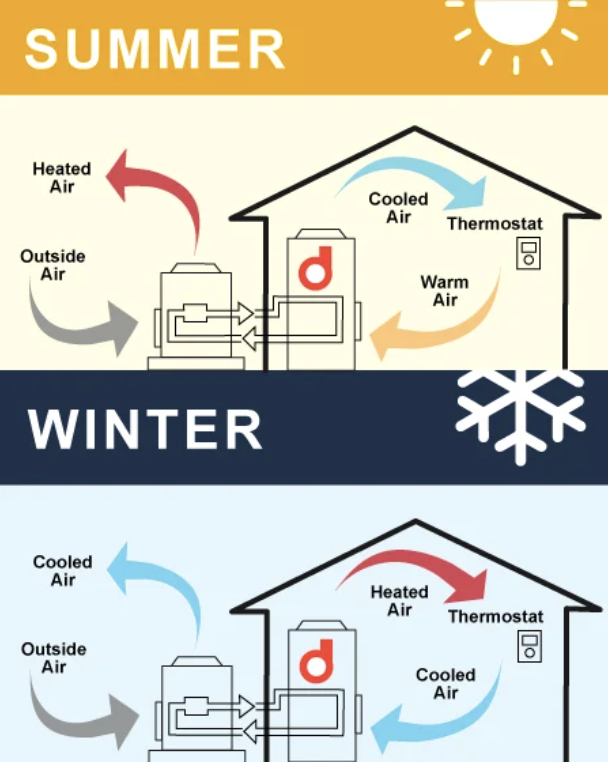
Know Your Heat Pump – If your home has a heat pump, summer operation is a little different than winter. During the heating season, the common advice is to “set it and forget it.” In the summer, however, heat pumps offer two different operating modes—Cooling (snowflake icon) and Dehumidifying (teardrop icon)—and knowing when to use each can improve both comfort and efficiency.

Because humid air feels several degrees warmer than dry air, the Dehumidifying mode can make your home feel cooler without significantly lowering the temperature. This setting also uses less electricity because the fan and compressor run at lower speeds. However, unlike Cooling mode, Dehumidifying mode does not automatically shut off once your home feels comfortable. It is designed to be used intermittently, so remember to turn it off when the humidity has been reduced to avoid unnecessary energy use.

When outdoor temperatures climb, especially during hot afternoons or in rooms with large south- or west-facing windows, switch to Cooling mode. Unlike Dehumidifying mode, Cooling mode automatically cycles on and off to maintain your chosen temperature, making it the best option for keeping your home comfortable during periods of intense heat.

Reduce Inside Heat – You can also reduce the amount of heat your home generates from the inside. Try using the microwave, air fryer, slow cooker, or outdoor grill instead of the oven on especially hot days. Turn off lights, televisions, and electronics when they are not in use, as many appliances continue to produce heat even when they’re idle. If you have ceiling fans, set them to spin counterclockwise during the summer. This pushes cool air downward, making rooms feel more comfortable and allowing you to raise your thermostat a few degrees without sacrificing comfort.

Check those filters! – Another important step is to check your heat pump or air conditioner filter. A clean filter allows air to flow more efficiently, helping your system cool your home while using less energy. During the summer, filters should be checked monthly and cleaned or replaced as needed. Keeping outdoor units free of leaves, grass clippings, and other debris will also help your system operate efficiently.

Take Action This Month

  • Close blinds and curtains during the hottest part of the day, especially on south- and west-facing windows.
  • Open windows in the evening to create a natural cross breeze, then close them in the morning to keep cool air inside.
  • Use Dehumidifying mode on your heat pump when humidity is high, but remember to turn it off once your home feels comfortable.
  • Switch to Cooling mode on your heat pump during the hottest parts of the day or when temperatures continue to rise.
  • Use ceiling or portable fans to improve comfort and reduce the need for air conditioning.
  • Cook outdoors or use smaller appliances like a microwave or slow cooker instead of the oven.
  • Turn off unnecessary lights and electronics to reduce indoor heat.
  • Clean or replace your heat pump or air conditioner filter and keep the outdoor unit clear of debris.
Small actions like these can make a noticeable difference in your home’s comfort and energy use. By working with the weather instead of against it—and by using your heat pump’s summer settings effectively—you can stay cool, lower your utility bills, reduce strain on the electric grid during periods of high demand, and help build a more energy-efficient community.
View All Resources